

Understanding DUI Charges
A DUI arrest can leave you with immediate questions. Will you lose your license? Could you face jail time? What happens at your first court appearance? And is there anything you can do to challenge the charge?
A DUI charge is serious, but an arrest does not determine the outcome of your case. Pennsylvania DUI cases can vary significantly depending on your blood alcohol concentration (BAC), whether drugs are involved, prior DUI offenses and the circumstances surrounding the traffic stop, arrest and chemical testing.
Dethlefs Pykosh & Murphy represents individuals facing DUI charges in Harrisburg and throughout Central Pennsylvania. Our criminal defense attorneys can help you understand what you are facing, examine the evidence and discuss the options that may be available based on your specific circumstances.

Jonathan White

Victor Schleich
Experienced Criminal Defense Attorneys
Get to know Attorneys Jonathan White and Victor Schleich.
Years Experience
Awards
DUI Defense Attorneys in Central Pennsylvania
Serving Dauphin, Cumberland, York & Surrounding Counties
Our attorneys represent individuals facing DUI charges in Harrisburg and throughout Central Pennsylvania.
Jonathan White and Victor Schleich primarily handle criminal matters in Dauphin, Cumberland and York counties and regularly represent clients in Adams, Franklin, Perry and Lancaster counties.
Whether you are facing a first DUI or have prior offenses, understanding the charge and the specific court process in front of you can help you make informed decisions about what comes next.
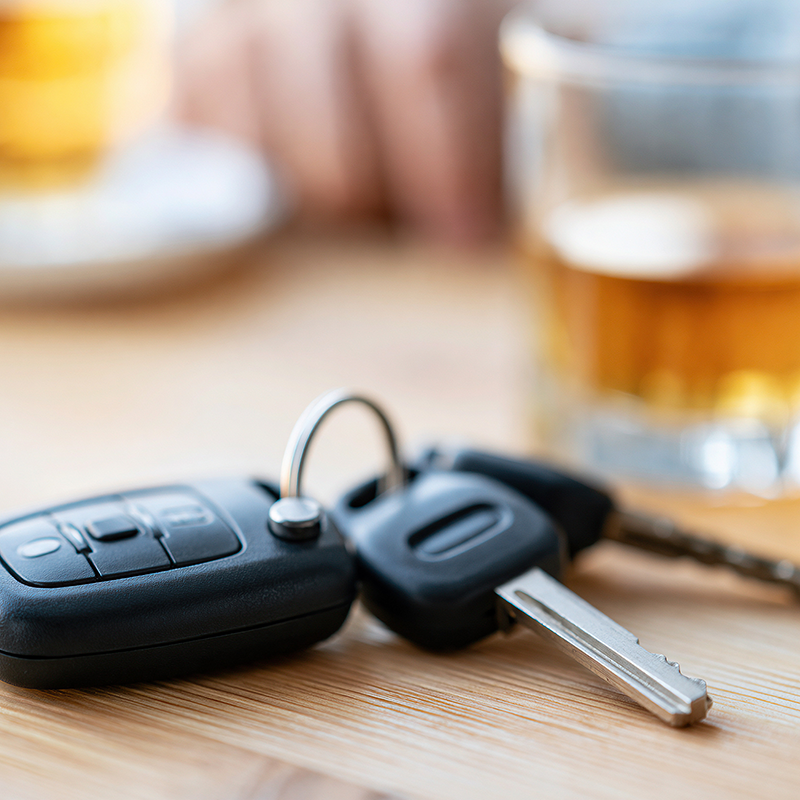
DUI Charges in Pennsylvania
The Details of the Case Matter
Pennsylvania law establishes different levels of DUI based in part on a driver’s BAC and the circumstances of the alleged offense.
For drivers age 21 and older, a BAC of .08% or higher can result in a DUI charge in PA. Pennsylvania’s DUI system includes three general levels of impairment:
- General Impairment: BAC of .08% to .099%
- High Rate of Alcohol: BAC of .10% to .159%
- Highest Rate of Alcohol: BAC of .16% or higher
A driver may also face DUI charges without a BAC of .08% or higher if the Commonwealth alleges that alcohol made the person incapable of safely driving.
Different rules and penalty levels can also apply in cases involving controlled substances, chemical-test refusal, drivers under age 21, commercial drivers and certain accidents.
Because the circumstances can change both the charges and potential consequences, understanding exactly what you have been charged with is an important first step.
Drug DUI Charges
DUI Is Not Limited to Alcohol
Pennsylvania DUI law also applies to driving under the influence of controlled substances.
Drug DUI cases may involve illegal drugs, prescription medications or combinations of substances and alcohol. The evidence and legal issues in these cases can differ from an alcohol-related DUI.
Questions may involve what substance was allegedly present, how testing was conducted, whether the substance was prescribed, observations made by law enforcement and whether the evidence establishes that the driver was impaired or otherwise violated Pennsylvania’s DUI law.
Our attorneys review the circumstances and evidence involved rather than assuming that a positive test tells the entire story.

Frequently Asked Questions
Facing a DUI charge can raise important questions about your rights, potential penalties, and legal options. Dethlefs Pykosh & Murphy have compiled answers to common questions about DUI defense to help you better understand the process and make informed decisions about your case. Have a question that isn’t answered here? Contact us to schedule your free, no-obligation consultation.
First DUI in Pennsylvania?
A First Offense Can Take Different Paths
If this is your first DUI, you may be wondering whether you will go to jail, lose your license or have a permanent criminal record.
The answer depends on the circumstances.
For example, Pennsylvania’s penalties for a first offense differ based on the level of impairment. Some first-time offenders may also be considered for Accelerated Rehabilitative Disposition, commonly known as ARD.
ARD is a pretrial diversionary program that may be available to eligible individuals. Successfully completing this program can provide significant benefits; however, admission is not automatic. Eligibility and program requirements are evaluated based on the individual case.
An attorney can help you understand the charges, potential penalties and whether ARD or another path may be available.
What Are the Penalties for DUI in Pennsylvania
BAC, Prior Offenses & Other Factors Matter
There is no single penalty for a Pennsylvania DUI conviction.
Potential consequences depend on factors including your BAC level, whether drugs were involved, prior DUI offenses and other circumstances surrounding the case.
Depending on those factors, DUI consequences can include:
- Probation or incarceration
- Fines and court costs
- Driver’s license suspension
- Ignition interlock requirements
- Alcohol Highway Safety School
- Drug and alcohol evaluation or treatment
- Other court-imposed requirements
A first DUI does not necessarily carry the same consequences as a second or subsequent offense, and even first-offense penalties differ depending on the level of impairment and circumstances involved.
Rather than assuming what will happen based simply on being charged with DUI, it is important to understand the specific section of Pennsylvania’s DUI law under which you have been charged and how it applies to your situation.
Can a DUI Be Challenged?
An Arrest Is the Beginning of the Case, Not the End
A DUI arrest does not automatically mean a conviction.
The issues that may be relevant to a DUI defense depend on the circumstances of the case. An attorney may examine questions like:
Why were you stopped?
Law enforcement generally needs a lawful basis for initiating a traffic stop.
What did the officer observe?
Police reports, body-camera footage and other evidence may be important in understanding what occurred before and during the arrest.
How were field sobriety tests conducted?
If field sobriety testing was used, the circumstances and manner in which the tests were administered may be relevant.
Was chemical testing properly conducted?
Breath and blood evidence may raise questions about testing procedures, timing and other circumstances.
Were your rights respected?
The legality of the stop, detention, search, arrest or collection of evidence may be relevant depending on the facts.
What other evidence exists?
Video, witness accounts, medical information and other evidence may provide additional context that is not apparent from the initial police report.
Not every issue will apply to every case, and identifying a potential issue does not mean a charge will automatically be dismissed. A meaningful defense strategy starts with examining what actually happened and evaluating the evidence available.
What If You Refused a Breath or Blood Test?
DUI Charges & License Consequences Can Be Separate Issues
Pennsylvania has an implied consent law related to chemical testing after a DUI arrest.
Refusing a requested chemical test can result in separate driver’s license consequences through PennDOT, even apart from what happens in the criminal DUI case. Depending on the circumstances and prior history, refusal may also affect the penalties associated with a DUI conviction.
This is an area where timing and details matter. If you refused chemical testing, it is important to understand both the criminal case and the separate driver’s license implications that may follow.
What Happens After a DUI Arrest
Understanding the Process Can Help You Prepare
The court process after a DUI arrest can feel confusing, particularly if this is your first experience with the criminal justice system.
Depending on the circumstances, your case may involve a preliminary arraignment, preliminary hearing, formal arraignment, pretrial proceedings, negotiations, motions and potentially trial. Cases considered for ARD may follow a different path.
There may also be driver’s license issues handled separately through PennDOT.
Your attorney can help you understand which steps apply to your case, what deadlines or court appearances are approaching and what decisions may need to be made along the way.
Is .08 Always the Legal Limit for DUI in Pennsylvania?
For most drivers age 21 and older, a BAC of .08% or higher can support a DUI charge. However, a person may also be charged with DUI at a lower BAC if the Commonwealth alleges that alcohol made the person incapable of safely driving. Different BAC thresholds and rules also apply to certain drivers, including minors and commercial drivers.
Will I Lose My License After a First DUI?
Not necessarily. License consequences depend on the circumstances, including the level of impairment and how the case is resolved. Some first offenses at the general impairment level do not carry a mandatory license suspension, while higher BAC levels can. ARD and chemical-test refusal can also affect driving privileges.
Can I Get ARD for my First DUI?
Some first-time DUI defendants may be eligible for ARD, but admission is not automatic. Eligibility can depend on the circumstances of the offense and other factors. An attorney can help you determine whether ARD may be an option and what participation would require.
Can I Be Charged with DUI for Prescription Medication?
Potentially. Pennsylvania DUI law is not limited to alcohol or illegal drugs. Prescription medications can become relevant to a DUI charge depending on the substance and whether it allegedly impaired the person’s ability to safely operate a vehicle.
Can a DUI be Dismissed in Pennsylvania?
DUI charges can be dismissed in some circumstances, but there is no automatic or guaranteed basis for dismissal. Whether a case can be challenged successfully depends on the evidence, applicable law and facts surrounding the stop, arrest and testing.
Do I Need a Lawyer for a First DUI?
Understanding the Process Can Help You Prepare
You are not required to hire an attorney simply because you have been charged with DUI. However, even a first offense can involve criminal penalties, driving consequences and decisions about options such as ARD. An attorney can review the evidence and explain how Pennsylvania DUI law applies to your specific situation before you decide how to proceed.
Understand What Comes Next
Talk With a DUI Defense Attorney
If you have been charged with DUI, you do not have to make decisions based on assumptions about what will happen next.
Our criminal defense attorneys can review the circumstances surrounding your arrest, explain the charges and potential consequences, evaluate the evidence and discuss the options that may be available based on your situation.
Ask us anything about your case! We are here to help.
First DUI in Pennsylvania? What You Need to Know After a DUI Arrest
Being arrested for DUI can leave you with a lot of questions. A DUI charge is serious, but an arrest is not the same as a...
Seeking Treatment Instead of Punishment in Criminal Defense
Studies have demonstrated that nearly two-thirds of all inmates in the United States suffer from some form of mental illness....